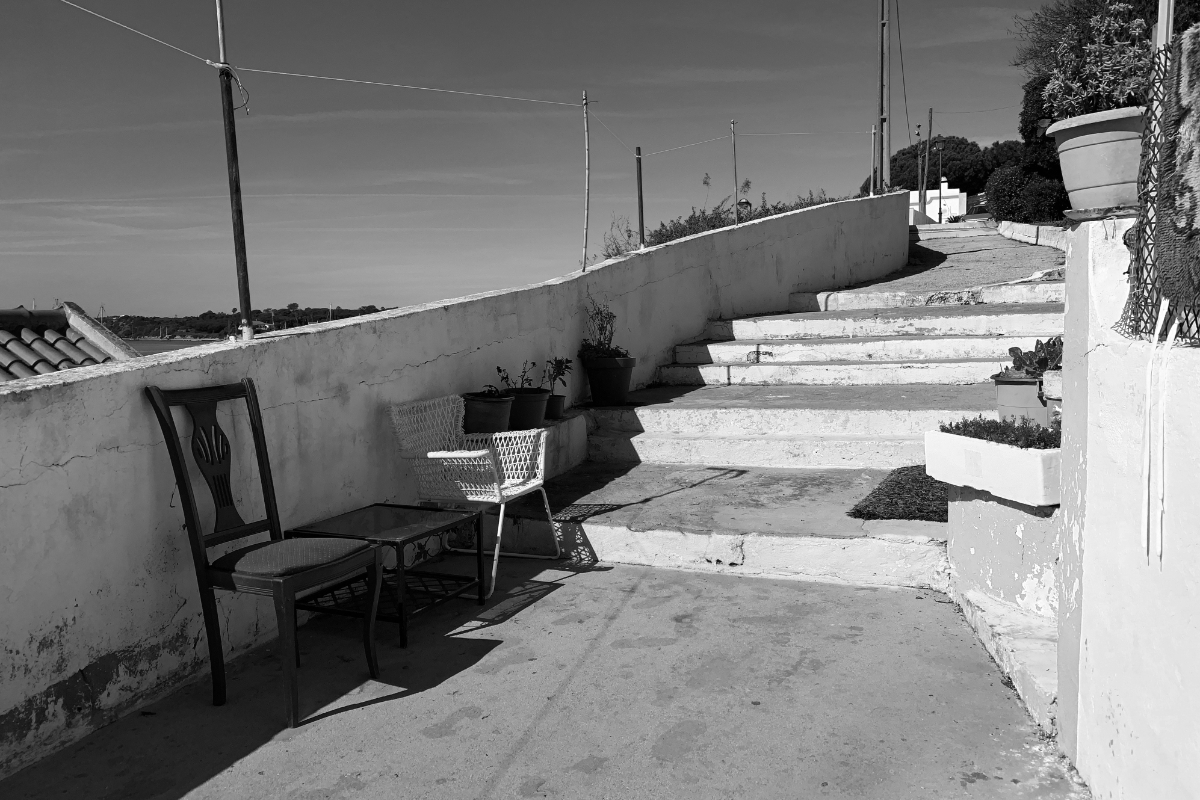
Overexposure and Underexposure in Digital Photography
Understanding exposure through the principles of analogue push and pull processing Exposure has always been central to photography. Whether working with traditional film or a digital sensor, the amount of light recorded determines much of the technical quality and visual character of an image. In analogue photography, push and pull processing offered photographers ways to … Read more
Intersections: Finding Abstraction in the Ordinary

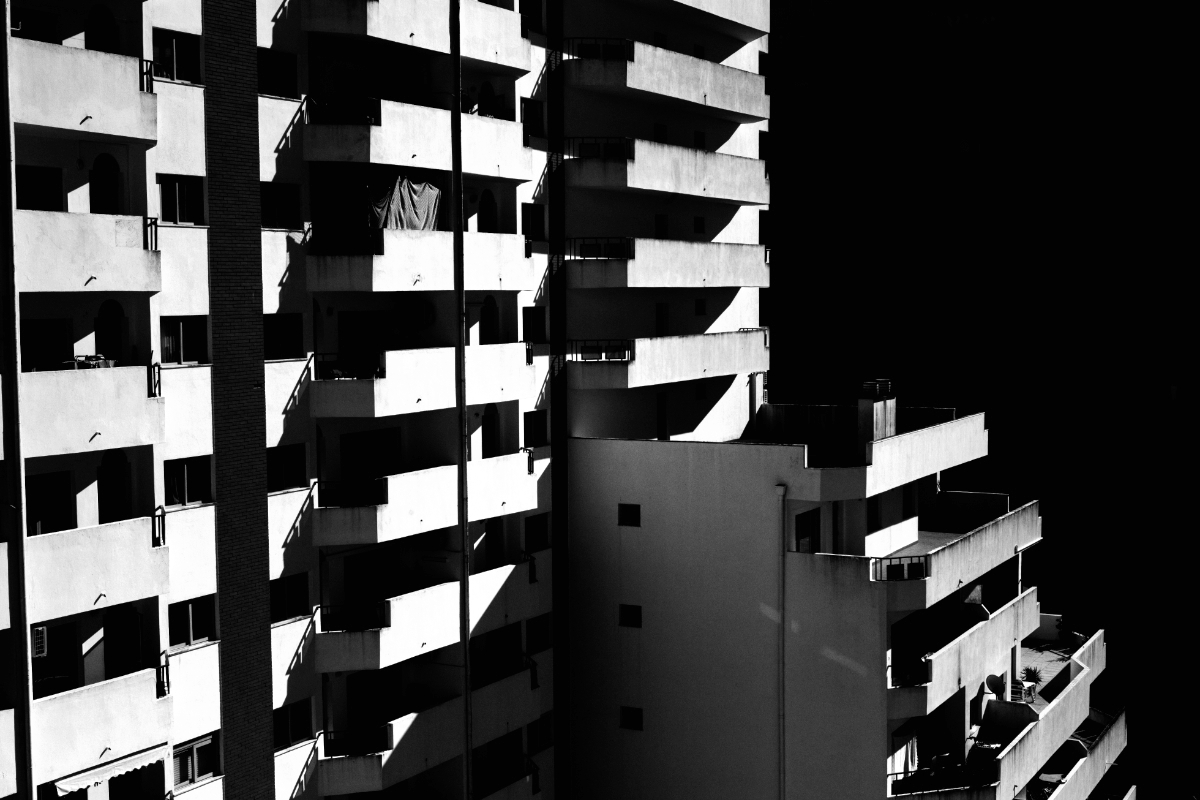
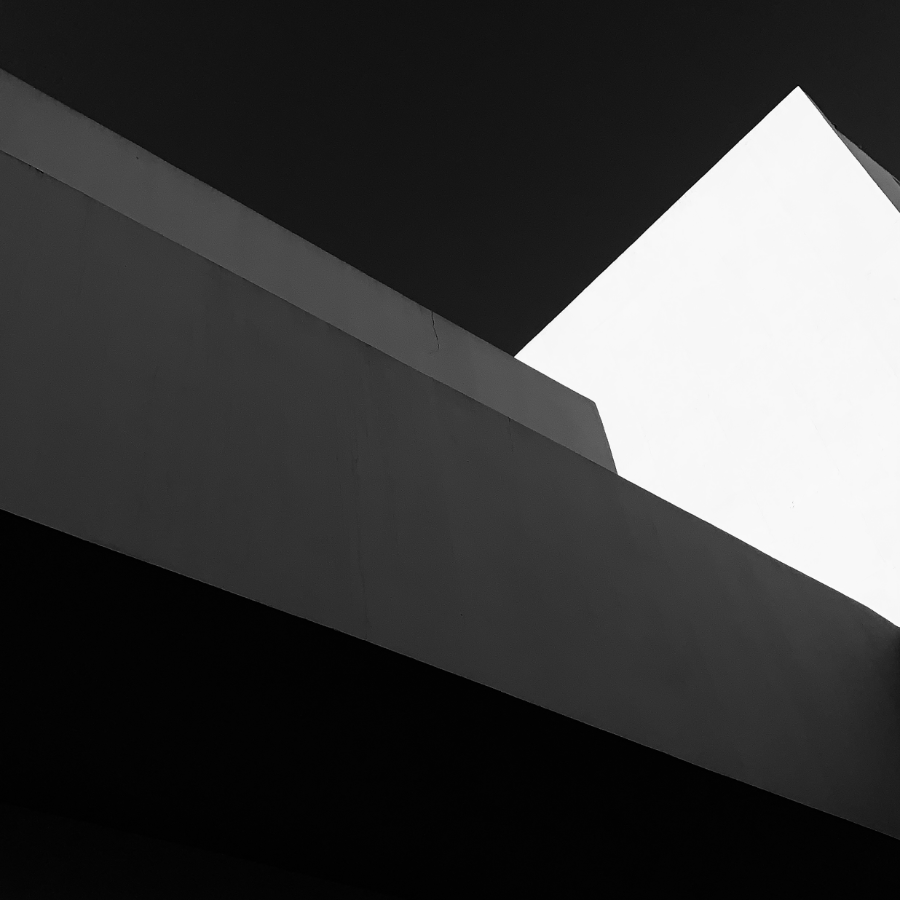
Abstract photography does not necessarily begin with an abstract subject. Sometimes it begins with a wall, a shadow, and a moment in which the familiar suddenly stops looking familiar. A sudden shift in how we see the ordinary. There was nothing remarkable about the wall. It was part of a balcony, with the façade of … Read more

The Quiet Weight of a Photograph

There are photographs that announce their intentions almost at once. A face filled with emotion, a dramatic landscape, a decisive moment in the street. I look at them and understand, or at least believe I understand, why the photographer pressed the shutter. Their subject is clear and their visual language direct. And then there are … Read more

Film vs Digital: Two Ways of Seeing

There was a time that nobody asked whether you were an analogue or digital photographer. Photography was simply photography. You bought a camera, put a roll of film into it, tried not to forget what ISO you had loaded, and went out to take pictures. Digital photography did not yet exist, so there was no … Read more

Street Photography: Learning to See What Is Already There

For me, street photography begins with something remarkably simple: life happening in front of my camera. A man waits alone at a bus stop. Two strangers exchange a glance while passing each other. A child runs through a patch of sunlight. Someone disappears around a corner just as another person enters the frame. Late-afternoon light … Read more

The Latitude of Tri-X

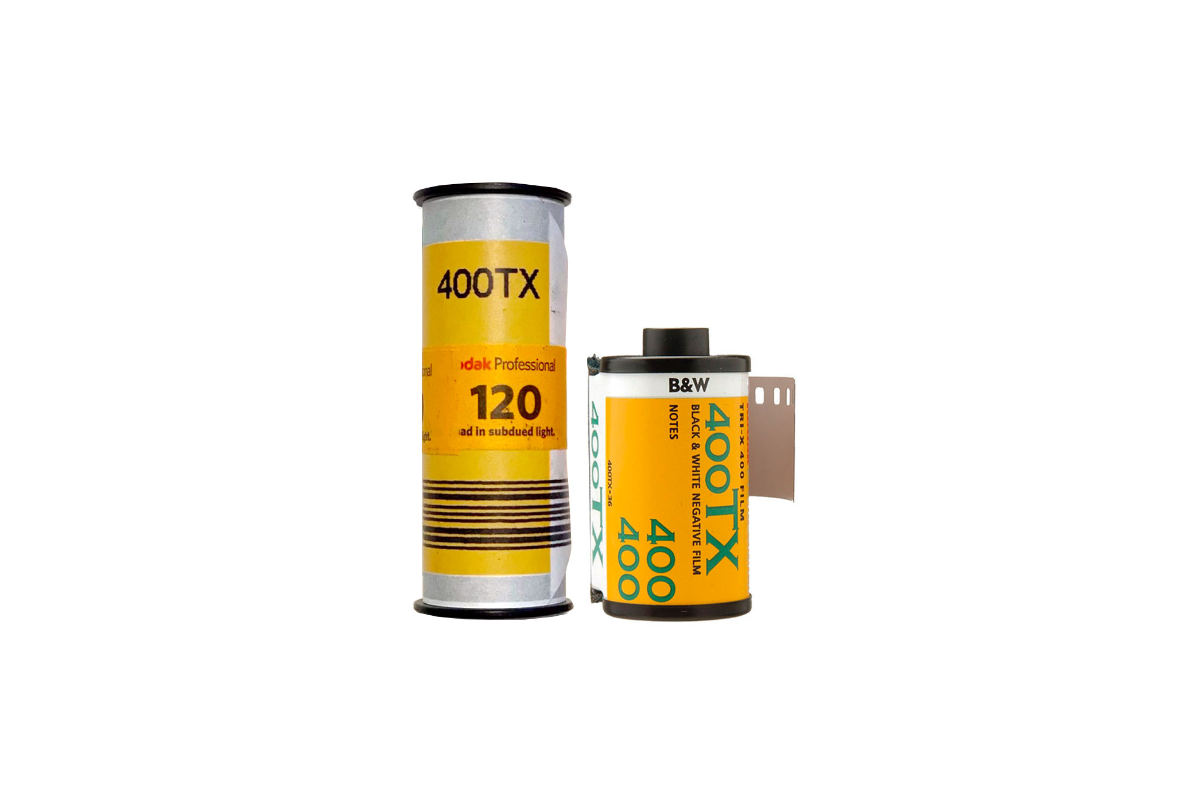
There is something reassuring about Kodak Tri-X 400. It is not a film that demands perfect exposure. On the contrary, part of its character lies in what happens when exposure is less than perfect. For generations of photographers, Tri-X has been associated with available light, documentary photography, photojournalism and the freedom to work quickly. It … Read more

From Wetzlar to the M11: The Story of the Leica M

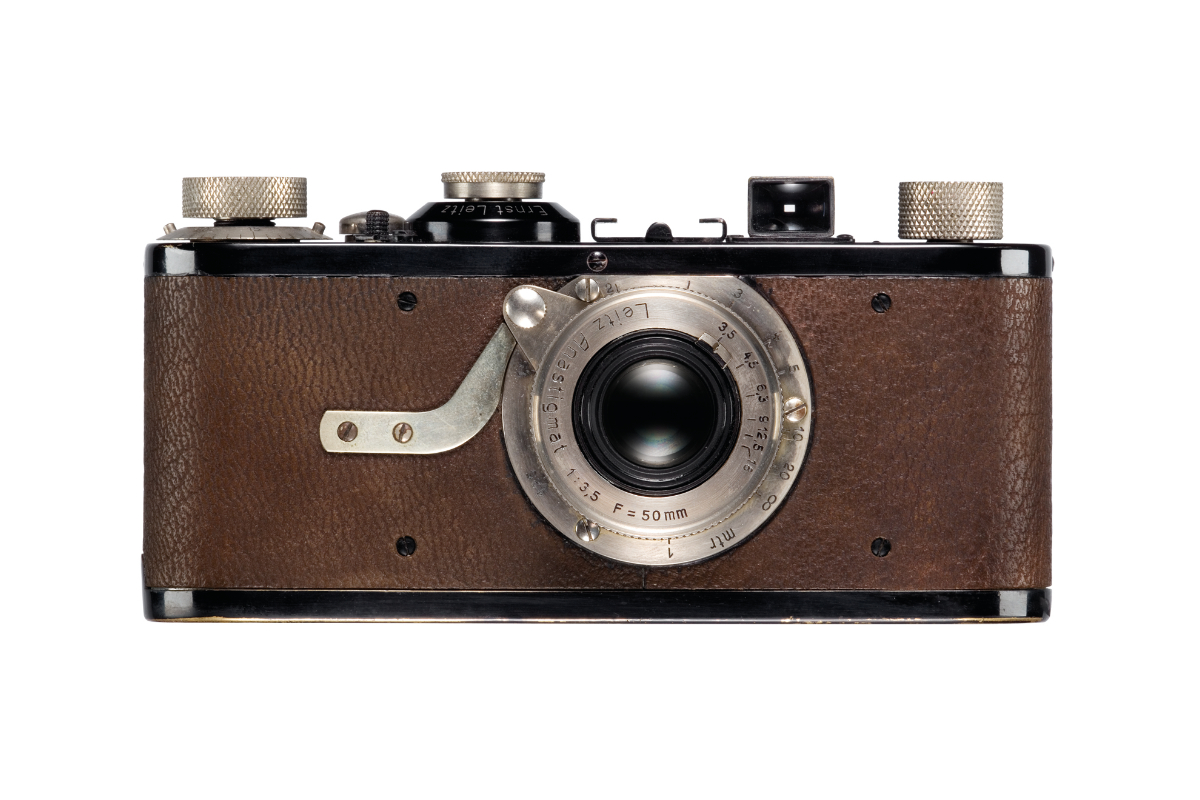
There are cameras that belong to a particular period, and there are cameras that seem to exist outside time. The Leica M belongs to the latter category. Put a Leica M3 from 1954 beside a modern digital M11 and the family resemblance is unmistakable. The materials have changed. Film has become a sensor. Electronics have … Read more

Pushing and pulling film

Anyone who begins shooting film soon encounters a seemingly simple rule: look at the ISO number printed on the box and set the camera or light meter accordingly. Kodak Tri-X 400 is rated at ISO 400, Ilford HP5 Plus at ISO 400, and Kodak Portra 160 at ISO 160. Follow the manufacturer’s rating, expose carefully, … Read more